
Mitigation Strategy
Build and maintain retention and detention basins
Overview
Retention and detention basins are types of structural flood control (i.e., flood protection systems). They vary in size, ranging from large dams and reservoirs built to protect neighborhoods downstream from flooding, to small rain gardens designed to slow the release of runoff near a single building. Both retention and detention basins are constructed to reduce flood risk to future and existing residential and non-residential developments and buildings.

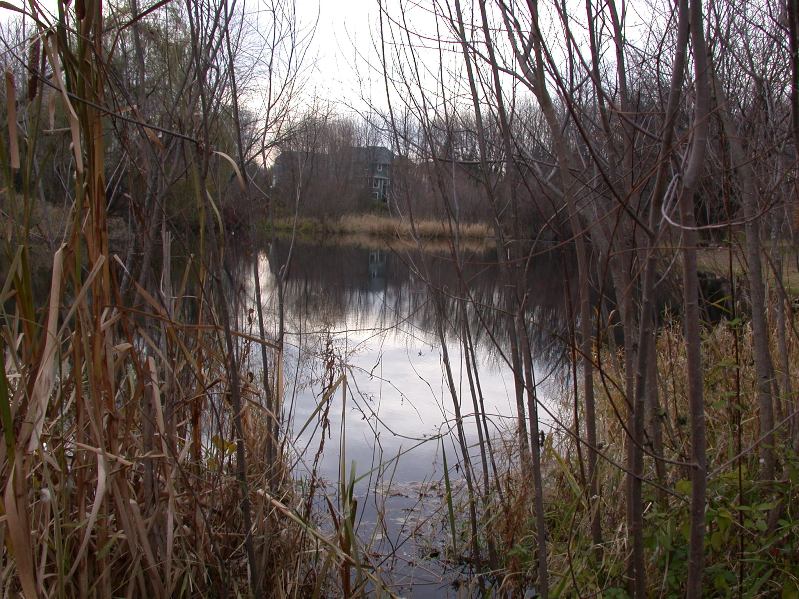
Retention basins are permanent bodies of water built to hold (or retain) floodwater and local runoff during a flood, and then release it through an outlet system when flooding has subsided. They may store a few acre-feet to millions of acre-feet of water. The goal is to balance incoming flows with the amount released in order to prevent upstream and downstream flood damages. All retention basins require significant engineering analyses combined with detailed real estate, cultural, environmental, and construction studies which are supported through federal, state, regional, and/or local government partnerships. In addition to flood risk reduction, retention basins support water supply and recreation; the largest retention basins are dams, which also may support agricultural irrigation, hydroelectric power, and navigation.
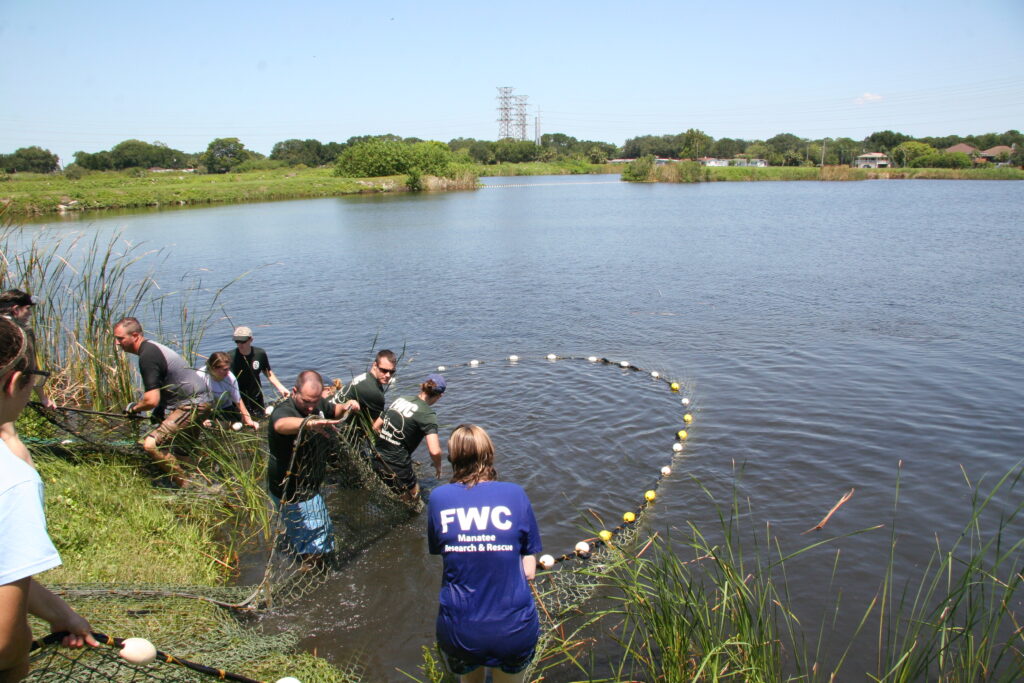
When built on private property, retention basins are typically found on farms or ranches in rural areas, and may be stocked with fish. If a retention basin project was funded in part by federal dollars, such as by the Natural Resources Conservation Service Watershed Protection and Flood Prevention Operations Program, it can be required to be accessible to the public.
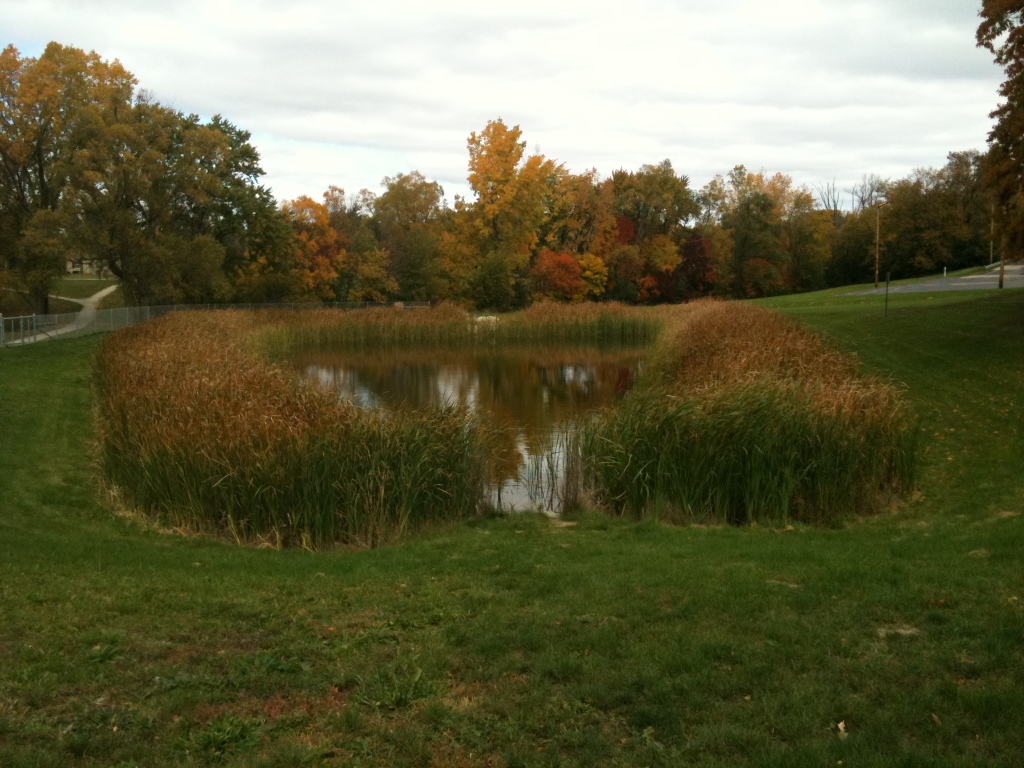
Detention basins temporarily hold floodwater or concentrated runoff, slowly releasing the water downstream to reduce potential flood damage. An individual property or business owner, having the area to do so, can install a rain garden or slightly larger detention basin to slow the flow of runoff from rainfall or snowmelt to prevent erosion and property damage. A rain garden uses vegetation such as grasses and perennials to slow the percolation of water into the soil; as a side-benefit, rain gardens can also improve the appearance of a yard.
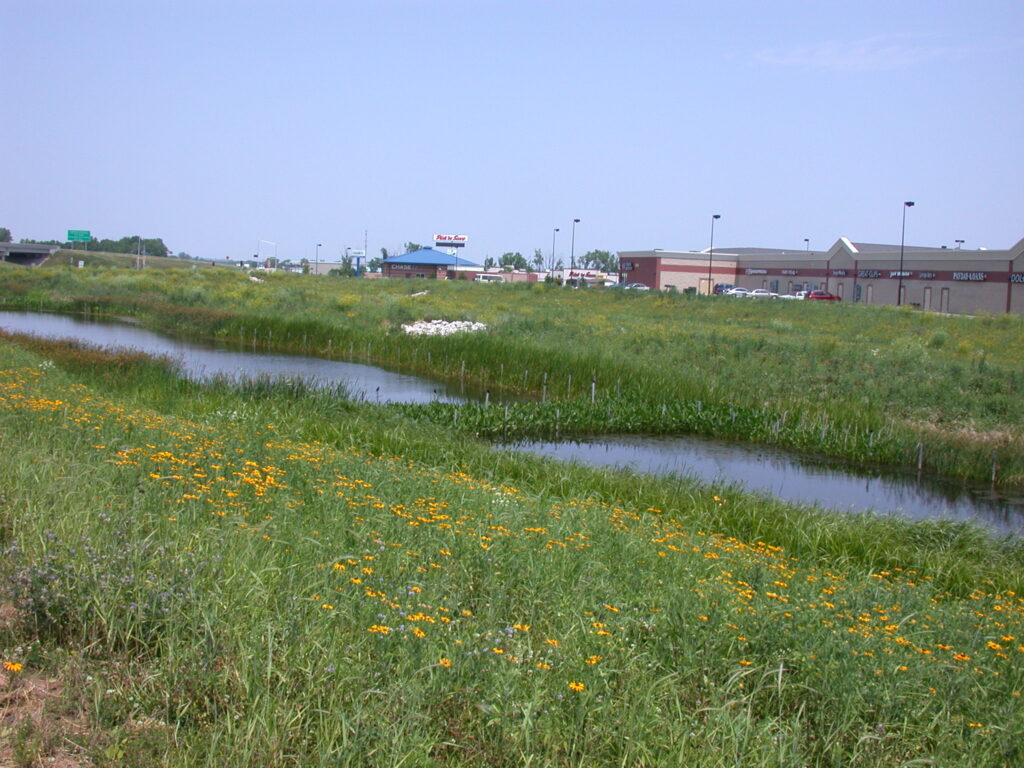
Larger detention basins are typically used to protect multiple buildings, and usually rely on outlet pipes to direct excess water away from the property. They are generally used to regulate the amount of runoff into an area, or the amount of drainage downstream from an area. These detention basins, often referred to as “dry dams,” require engineering analyses to determine the appropriate size for the drainage area and specific construction techniques needed to avoid failure. Annual maintenance – to remove any debris from detention basins, and to inspect and repair any damaged embankments or outlet pipes– is necessary.
Retention and detention basins, of all sizes, have been found to be valuable in reducing flood risk. A large basin may require review of the design as well as permits for construction and operation. The larger the basin and its features (embankments, reservoir, and outlet pipes), the more complex the concerns become. When constructing a basin, to ensure that the embankment and outlet pipes will not fail (e.g., overtop or breach) during a flood, follow design standards. Embankment failure can cause catastrophic damage and is a potential for life loss.




Property Characteristics
Property Scale
Neighborhood
Single Property
Real Estate Type
Business
Government building
Agricultural building
Foundation Type
Basement
Slab-on-Grade
Open Foundation
Crawlspace
Property Location
Non-coastal
Past Flood Depth
Deep
Unsure
Moderate
Debris Flow Potential
Yes
Unsure
Structure Condition
Fair-to-excellent condition
Less than fair condition
Implementation Factors
Annual Maintenance Required
Medium
Action Required If Flood Is Imminent
No, Passive
Relative Cost
$$
$$$
Level of Effort
Professional

Next Steps
- See Install a Rain Garden for Next Steps related to rain gardens. For larger retention and detention pond Next Steps, see below.
- Contact your local government to learn more about your property’s flood history and Base Flood Elevation, and to determine what federal, state and local permitting, code or ordinance requirements you will need to follow, before any work starts. If you are not sure who to talk to, check out our “who to contact” page. Your community’s floodplain management administrator also may be able to provide guidance as you search for a qualified engineer and/or contractor.
- Hire a qualified engineering service to determine runoff characteristics to figure out and design the right size and location for your basin. A structural flood control/flood protection system may not be an option for you because impounding flood water temporarily or permanently requires knowledge of hydrology (flow and volume of water), hydraulics (velocity and potential depth of water), and geotechnical engineering (soil characteristics). The larger the basin, the more complex the issues surrounding the location, size, construction, operation and annual maintenance become. Whether for temporary detention or permanent retention, design criteria, land use regulations, zoning ordinances, and permits may dictate the size and location of temporary or permanent storage.
- Hire a qualified contractor to install the basin. Make sure all necessary permits are obtained.
- Check with your local government to determine any specific requirements for the operation and maintenance of any embankment or associated components of a detention or retention basin.
Special Considerations
- Be careful not to redirect water flow from your property onto another property. No adverse impact (NAI) floodplain management is an approach that ensures the action of any property owner, public or private, does not adversely impact the property and rights of others. NAI calls for any adverse impact caused by a project to be mitigated as part of the project. By following NAI principles, you can: prevent flooding from increasing or damaging others; see a reduction in flood losses over time; and avoid challenges and lawsuits over causing or aggravating a flood problem.
- Check out the financial assistance page to see what funding or financing opportunities might be available to you.
Reduce Flood Risk
https://www.reducefloodrisk.org/mitigation/build-and-maintain-retention-and-detention-basins/
Printed: 06/07/2026
 EN
EN  ES
ES