
Mitigation Strategy
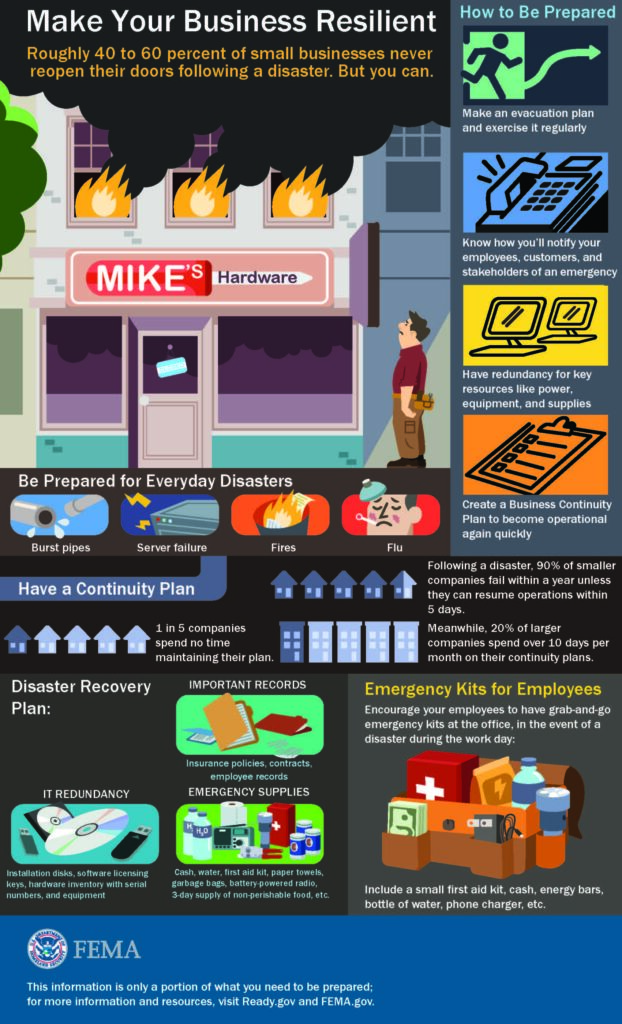
Create an Emergency Operations Plan
Overview
An emergency operations plan (EOP) is a type of plan that a property or business owner, school, or other entity can create to help protect human lives and property in the event of a flood or other disaster. Advanced planning efforts, such as creating an EOP, can help people become aware of the risks they face, and prepare for them. An EOP should identify key risks (e.g., flooding, wildfire, earthquake, etc.), individual roles and responsibilities, and steps to follow before, during, and after a disaster.

EOPs and responsibilities should be tailored to the people who will use them, the location of the structure, and the needs of its occupants, among other factors. Individuals with responsibilities in an EOP might include family members or employees (e.g., teachers, staff, etc.). Steps ‘before’ might include engaging any mitigation strategies that require action, such as installing flood barriers. Steps ‘during’ should include knowing when and how to safely evacuate. Steps ‘after’ should include clean-up guidelines and a reminder of health and safety precautions to take when returning to the property once floodwaters have receded. The EOP should cover what actions personnel (e.g., family members, employees, administrators, teachers, staff) must take, assigning specific roles and responsibilities to each task, providing information on the ‘when, where, why, and how’ of each task, and including contingencies for various possible scenarios.
For owners of businesses that have experienced flooding, another step to consider is looking into purchasing business interruption insurance, which does not need to be purchased prior to an event and covers lost gross earnings or profits up until the business is back up and running. (Note, while business interruption insurance covers lost earnings or profits, only flood insurance covers building- and contents-related flood losses.)
The following questions serve as a good starting point for creating an EOP:
- How will you receive emergency alerts and warnings?
- What is your shelter plan?
- What is your evacuation route?
- What is your family/household communication plan?
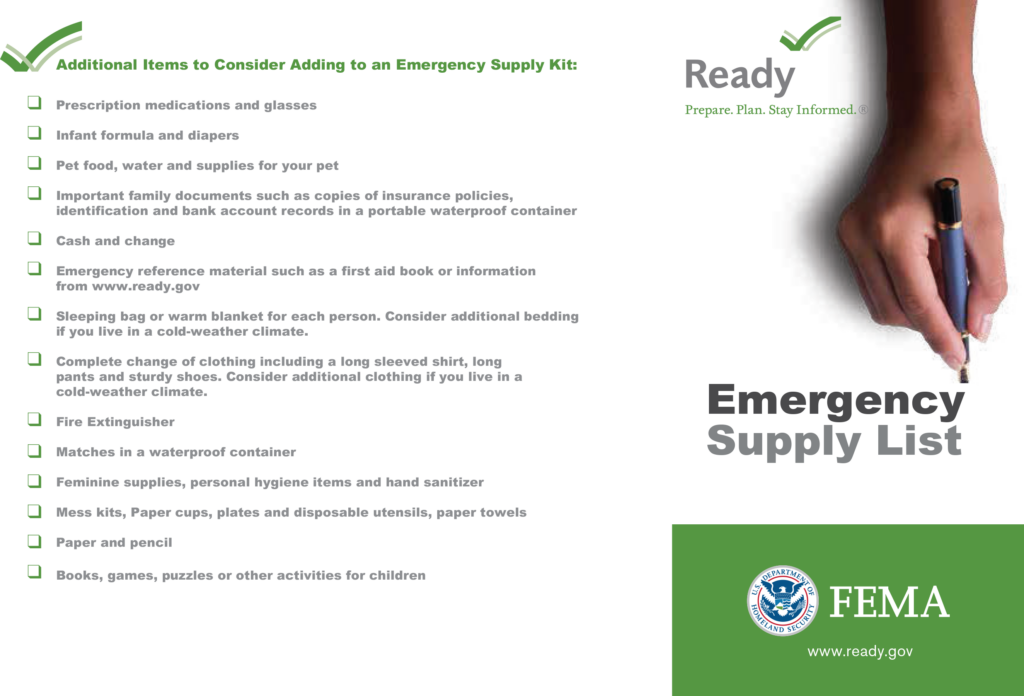
- Do you need to update your emergency preparedness kit?
- How will you safeguard your property in the event of a flood?
Through their local emergency management, zoning and/or planning offices’ website(s), home or business owners can check to see if their local jurisdiction has any guidance, instructions, or other resources available to assist in individual planning efforts. Many states and municipalities publish their own standards and guidance for emergency planning, and conduct workshops and training courses. This information should be readily available on state or municipal websites. FEMA also offers guidance through Ready.gov/plan.

Property Characteristics
Property Scale
Single Property
Neighborhood
Real Estate Type
Single-family residence
Multi-family residence
Manufactured home
Business
Government building
Agricultural building
Foundation Type
Crawlspace
Open Foundation
Basement
Slab-on-Grade
Property Location
Coastal
Past Flood Depth
Moderate
Shallow
Deep
Unsure
Debris Flow Potential
Yes
Unsure
Structure Condition
Fair-to-excellent condition
Less than fair condition
Implementation Factors
Annual Maintenance Required
Low
Action Required If Flood Is Imminent
Yes, Active
Relative Cost
$
$$
Level of Effort
Professional
DIY

Next Steps
- Check to see if your local jurisdiction has any guidance, instructions, or other resources available to assist in individual planning efforts.
- Follow the steps laid out on Ready.gov/plan if you are an individual or Ready.gov/business if you are a business owner, making sure to create an inventory of important documents, family heirlooms, etc. that is stored along with the important documents, away from where it could come into contact with floodwater.
- Review, update, and practice implementing your plan at least once per year.
Special Considerations
- Create a disaster plan. Be aware of all actions you will need to take once you receive warning of an oncoming flood event — and how much time each action will take to complete. Actions could include installing flood shields, closing barrier gates, or lowering storm shutters. Annually, inspect all removable pieces to make sure they are in good condition — and you have all necessary parts. Make sure whoever is identified to complete each action in your disaster plan knows how to perform the action, is physically able, and will be onsite. Once everything is in place to protect your home, you should evacuate to higher ground.
Reduce Flood Risk
https://www.reducefloodrisk.org/mitigation/create-an-emergency-operations-plan/
Printed: 04/27/2026
 EN
EN  ES
ES