
Mitigation Strategy
Design and maintain sewage system to minimize intrusion
Overview
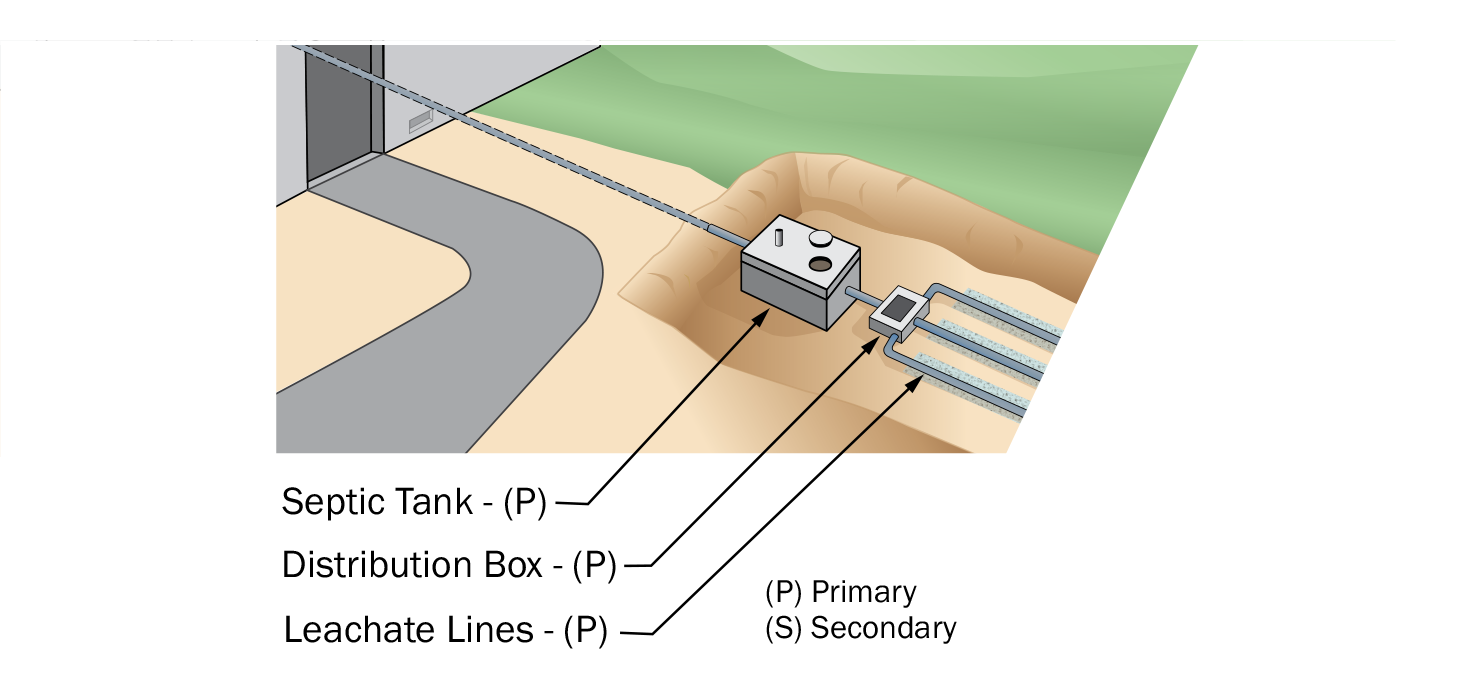
Drainage and sanitary systems are designed to remove sewage and other liquid waste from a building and the parcel of land it occupies. The sewage and liquid waste are transported away from the property via lateral connections (i.e., side sewer lines) that connect to a community or municipal collection system located in the street. These larger sewer mains then convey the waste to water and wastewater treatment plants, using pumping stations (i.e., lift stations) to aid gravity. If a lateral connection becomes blocked or the sewer mains become overloaded during a flood, wastewater may reverse course, or “backflow,” into a building’s living space.
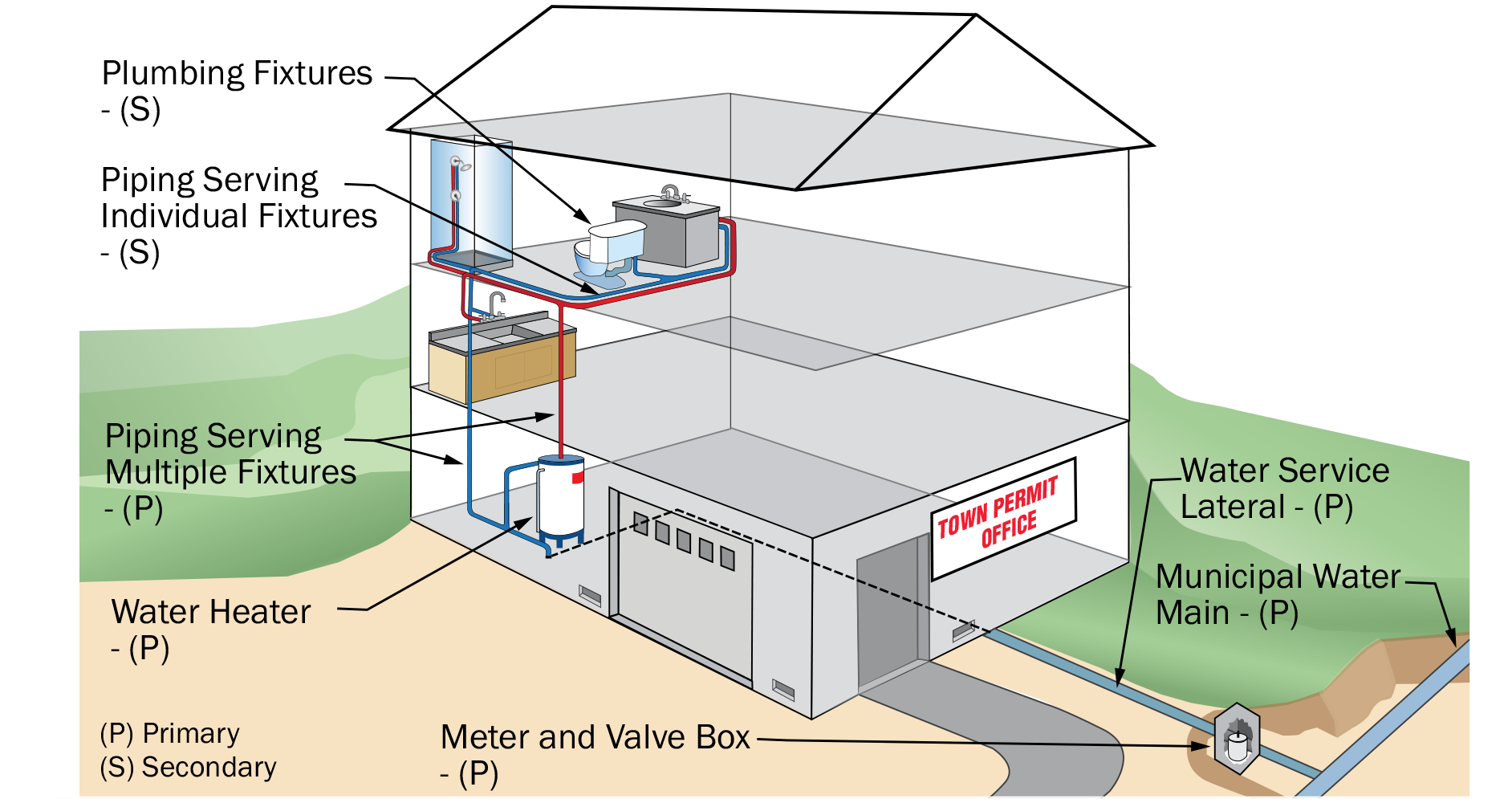
To minimize the potential for water intrusion when designing lateral connection(s) for a new building, it is important to route and place the connection(s) so as to reduce flood risk to the structure. This is done by ensuring that the connection(s) adequately slope down to the sewer main, and by avoiding tree roots. If you own or are looking to buy a property, it is important to know where the building’s existing lateral connections are located, and to not plant any trees nearby since tree roots can pierce the connections. If existing lateral connections seem at risk of intrusion, a backflow prevention device may be installed.
Older sewer lateral connections may be in poor condition, with cracks or separated joints that can allow groundwater to leak into or out of the system, potentially contaminating the surrounding soil and water. A small camera can be used to check the condition of the plumbing and find out whether a lateral sewer line needs to be repaired or restored. This preventative measure is important since, in most cases, the property owner is responsible for the maintenance and repair of lateral lines. Sewer lateral connections may also be damaged by heavy rainfall and flood backups.
Signs that a lateral line may have more than a routine blockage include:
- A soggy and/or particularly green area on the lawn
- Unusual insect or rodent activity
- The smell of “sewer gas” or “rotten eggs” (i.e., hydrogen sulfide)
- Broken slabs and wall cracks
- Mold and mildew near wet spots on home’s ceilings, walls or floors
- Clogs, backups, slow drainage or other blockages


Property Characteristics
Property Scale
Single Property
Real Estate Type
Single-family residence
Multi-family residence
Manufactured home
Business
Government building
Agricultural building
Foundation Type
Slab-on-Grade
Crawlspace
Basement
Open Foundation
Property Location
Coastal
Past Flood Depth
Moderate
Shallow
Deep
Unsure
Debris Flow Potential
Yes
Unsure
Structure Condition
Fair-to-excellent condition
Less than fair condition
Implementation Factors
Annual Maintenance Required
Low
Action Required If Flood Is Imminent
No, Passive
Relative Cost
$$$$$
Level of Effort
Professional
Next Steps
- To learn more about how to safeguard and maintain your lateral sewer, or to find certified contractors to assist you in this process, look to your municipal government website or simply search: “[County Name] Lateral Sewer Maintenance.”
- Check with your local water authority for potential restrictions on the use of backflow valves.
Special Considerations
- If your building or structure is in less than fair condition, this mitigation option type is not recommended. The only mitigation option types recommended for structures in fair to poor condition are acquisition, demolition, and the purchase of flood insurance or business interruption insurance.
- Be careful not to redirect water flow from your property onto another property. No adverse impact (NAI) floodplain management is an approach that ensures the action of any property owner, public or private, does not adversely impact the property and rights of others. NAI calls for any adverse impact caused by a project to be mitigated as part of the project. By following NAI principles, you can: prevent flooding from increasing or damaging others; see a reduction in flood losses over time; and avoid challenges and lawsuits over causing or aggravating a flood problem.
- Since most general home insurance policies do not cover sewer lines or backups, a property owner may wish to consider purchasing additional coverage. An additional policy may also be necessary to cover flooding or backups.
- In many municipalities, there may be financial assistance programs to provide lateral line cleanup or restoration.
Reduce Flood Risk
https://www.reducefloodrisk.org/mitigation/design-and-maintain-sewage-system-to-minimize-intrusion/
Printed: 05/21/2026
 EN
EN  ES
ES