
Mitigation Strategy
Enhance existing septic system to prevent overloading
Overview
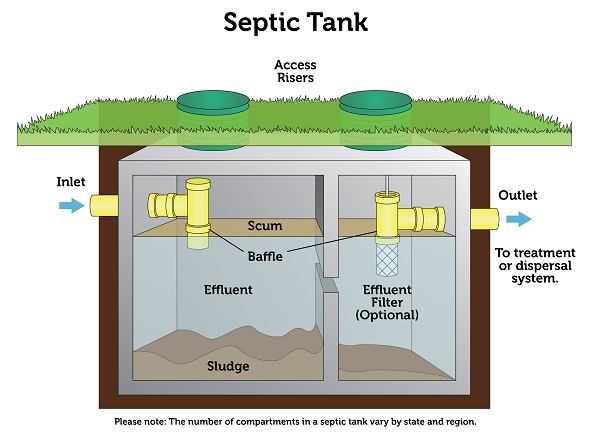
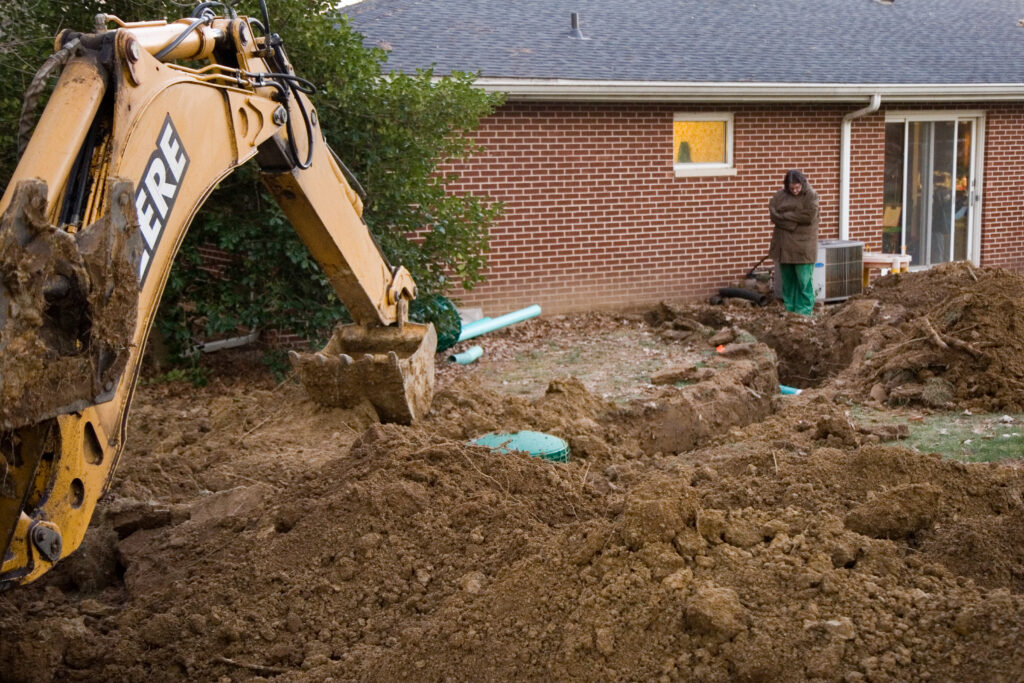
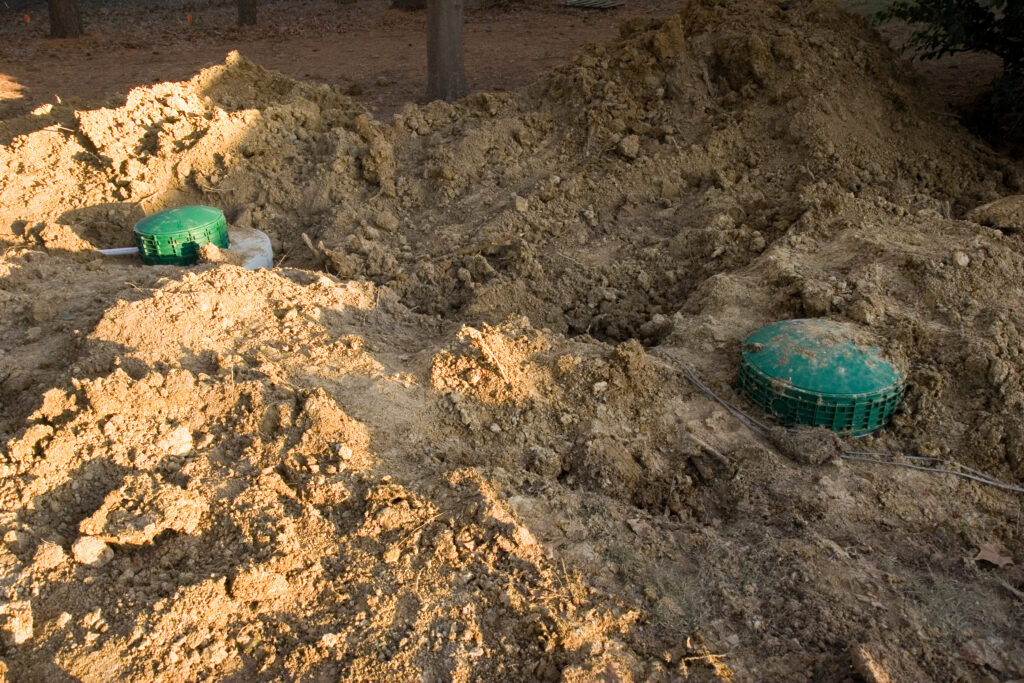
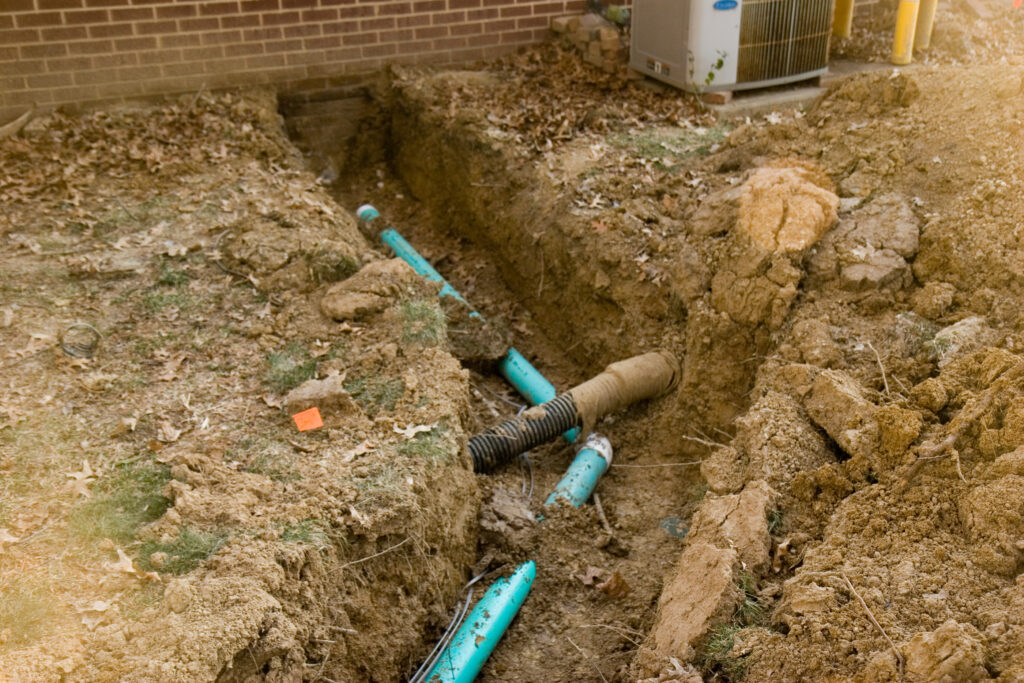
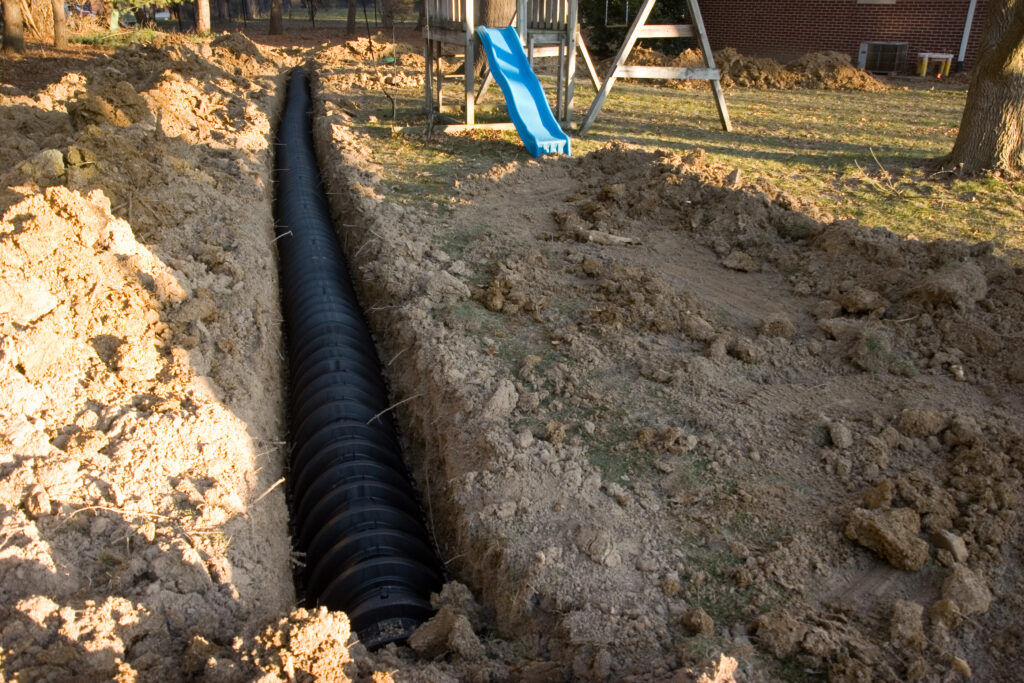
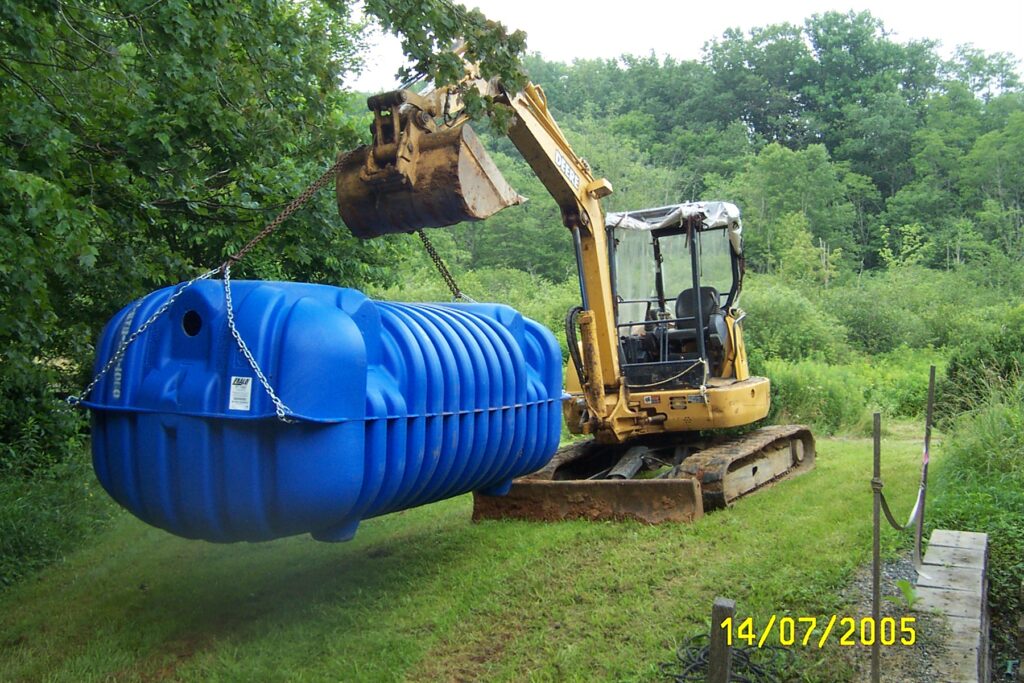
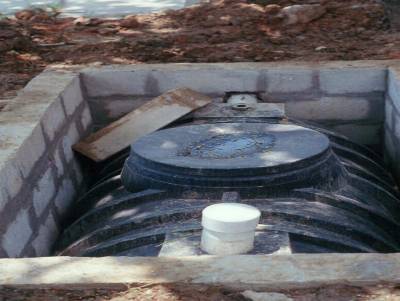
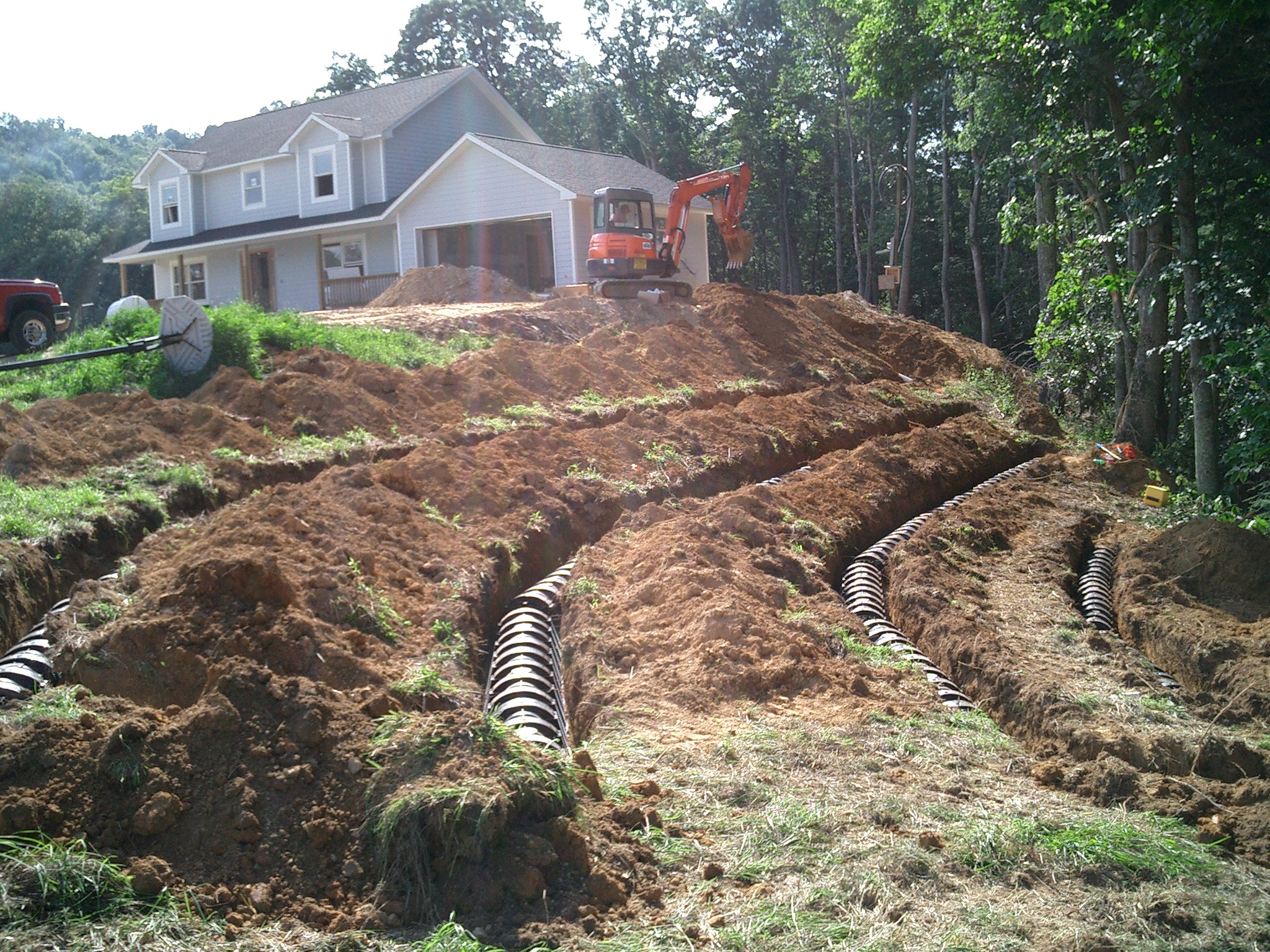
Septic tanks, located belowground in water-tight containers, are responsible for digesting organic matter and separating floatable matter (e.g., oils and grease) and solids from wastewater. After the wastewater is treated in the septic tank, it is discharged into a series of perforated, buried pipes that slowly release the treated liquid sewage into the soil. This area of soil is known as the “leach” or “drain field.”
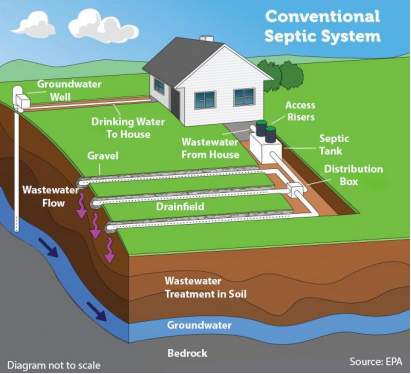
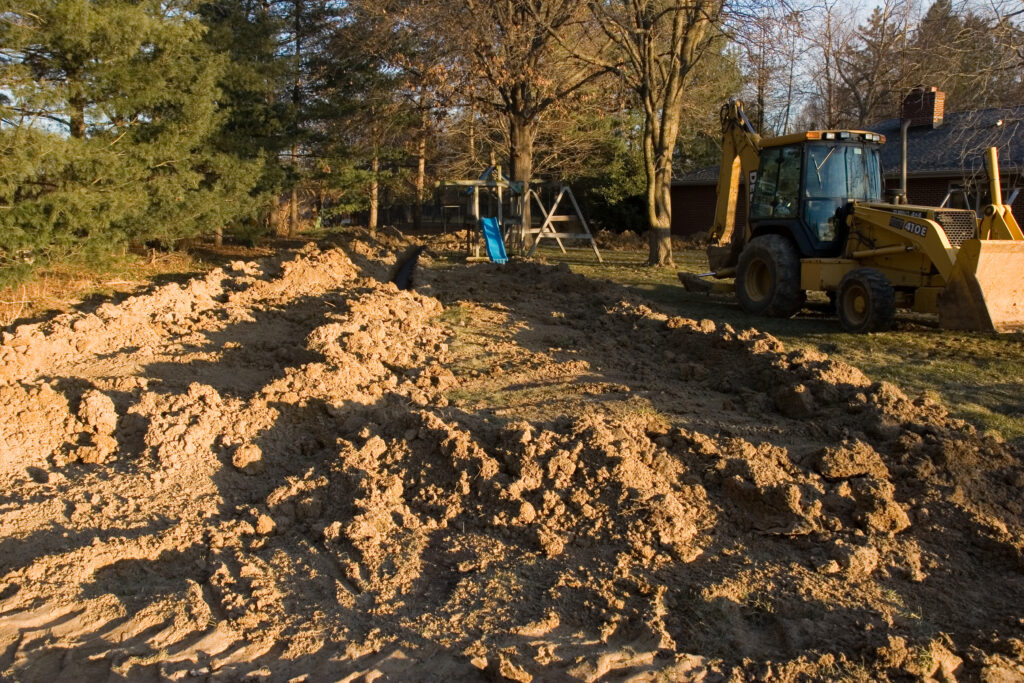
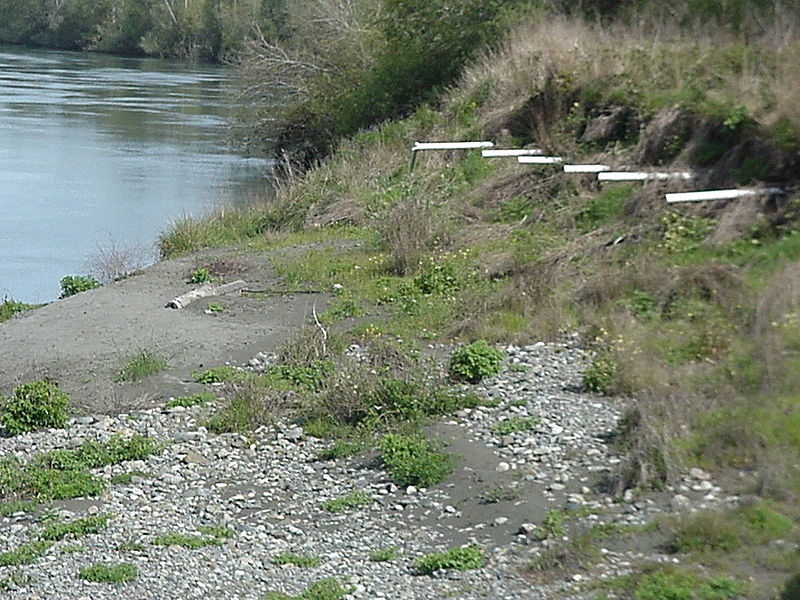
If a leach field becomes overloaded with floodwater, it may cause sewage to flow to the surface or create backups into the building. To prevent a septic system from overloading and waste from backing up during a flood, the system may need to be replaced, require significant repairs, or benefit from the installation of a backup septic tank and leach field.
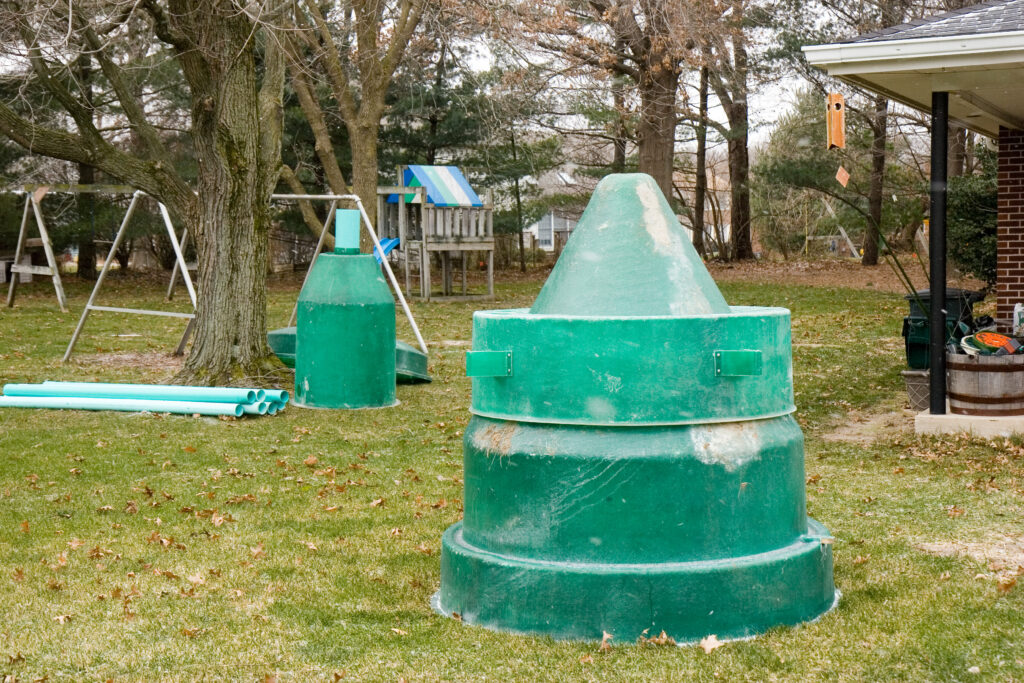
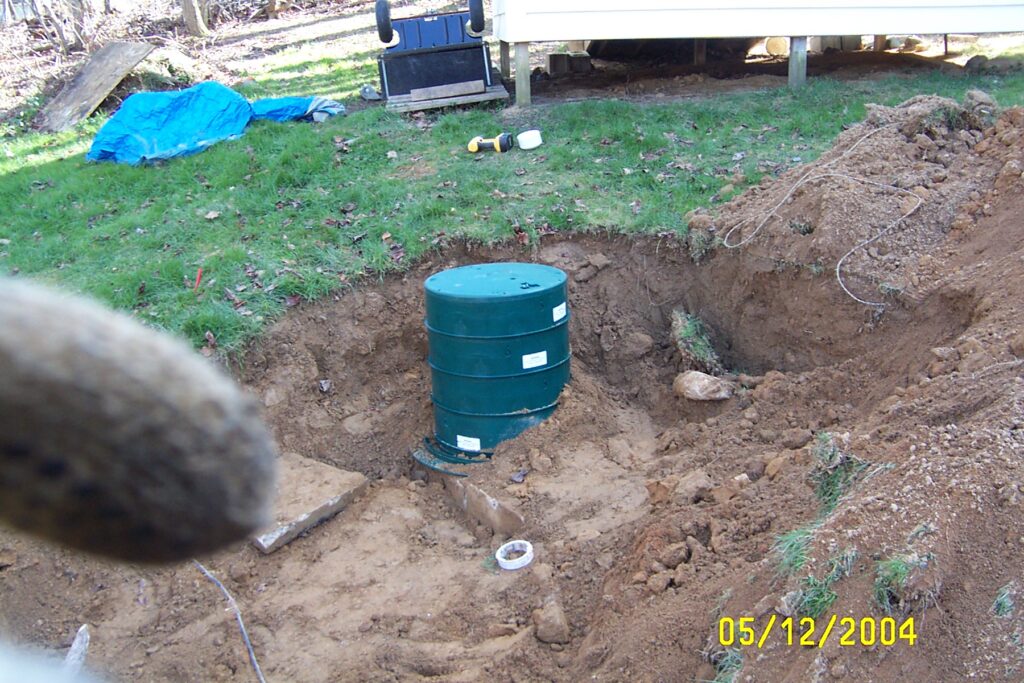
If a septic system is vulnerable to flooding, undersized due to increased waste discharge, or in disrepair, a septic system professional can assess the system and provide recommendations. If a second septic tank is added, it must be placed between the current tank and the leach field. If reconfiguration of the leach field is recommended, the reconfigured field must be placed away from the area of flooding. Whether modifying the existing system or installing new, it is recommended that a backflow prevention device be installed in the sewer line to prevent backup into the septic tank, or even the building, during a flood.
The regulation of septic systems varies by state and local government. In most states, local health departments issue permits to install and operate septic systems. Septic systems work best when the impact of floodwater on the leach field or septic tank is minimized. If relocating the leach field is not feasible, then increasing the waste-holding capacity is an option that, when designed and installed correctly, can meet local and state regulations.

Property Characteristics
Property Scale
Neighborhood
Single Property
Real Estate Type
Single-family residence
Multi-family residence
Manufactured home
Business
Agricultural building
Foundation Type
Slab-on-Grade
Crawlspace
Basement
Open Foundation
Property Location
Coastal
Past Flood Depth
Unsure
Moderate
Shallow
Debris Flow Potential
No
Unsure
Structure Condition
Fair-to-excellent condition
Less than fair condition
Implementation Factors
Annual Maintenance Required
Medium
Action Required If Flood Is Imminent
No, Passive
Relative Cost
$$$$
$$$$$
Level of Effort
Professional
Next Steps
- Contact your local government to learn more about your property’s flood history and Base Flood Elevation, and to determine what federal, state and local permitting, code or ordinance requirements you will need to follow, before any work starts. Ask if the local government offers insurance to homeowners and business owners for the repair or replacement of septic system components, which could otherwise be a large expense. (If they do not, check with your insurance company.) If you are not sure who to talk to within your local government, check out our “who to contact” page. Your community’s floodplain management administrator also may be able to provide guidance as you search for a licensed professional engineer and/or contractor.
- Hire a licensed professional engineer to design the septic system and oversee its installation.
- Hire a licensed professional contractor to install the septic system. Make sure all necessary permits are obtained.
- Check with your local government to determine any specific requirements for operation and maintenance.
Special Considerations
- If your building or structure is in less than fair condition, this mitigation option type is not recommended. The only mitigation option types recommended for structures in fair to poor condition are acquisition, demolition, and the purchase of flood insurance or business interruption insurance.
- Be careful not to redirect water flow from your property onto another property. No adverse impact (NAI) floodplain management is an approach that ensures the action of any property owner, public or private, does not adversely impact the property and rights of others. NAI calls for any adverse impact caused by a project to be mitigated as part of the project. By following NAI principles, you can: prevent flooding from increasing or damaging others; see a reduction in flood losses over time; and avoid challenges and lawsuits over causing or aggravating a flood problem.
- Ensure compliance with all applicable National Flood Insurance Program requirements and local building codes. The NFIP sets minimum standards and allows individual communities to adopt their own additional or more stringent requirements via local floodplain management ordinances, regulations, and laws.
- Most homeowner’s insurance policies do not cover damage due to flood or sewer backups. If you do not already have these additional coverages, contact a local insurance representative to learn more and get a quote.
- Check to see if your municipality has a financial assistance program to provide lateral line cleanup or restoration.
Reduce Flood Risk
https://www.reducefloodrisk.org/mitigation/enhance-existing-septic-system-to-prevent-overloading/
Printed: 06/04/2026
 EN
EN  ES
ES