
Mitigation Strategy
Install a certified flood-resistant window glazing system
Overview
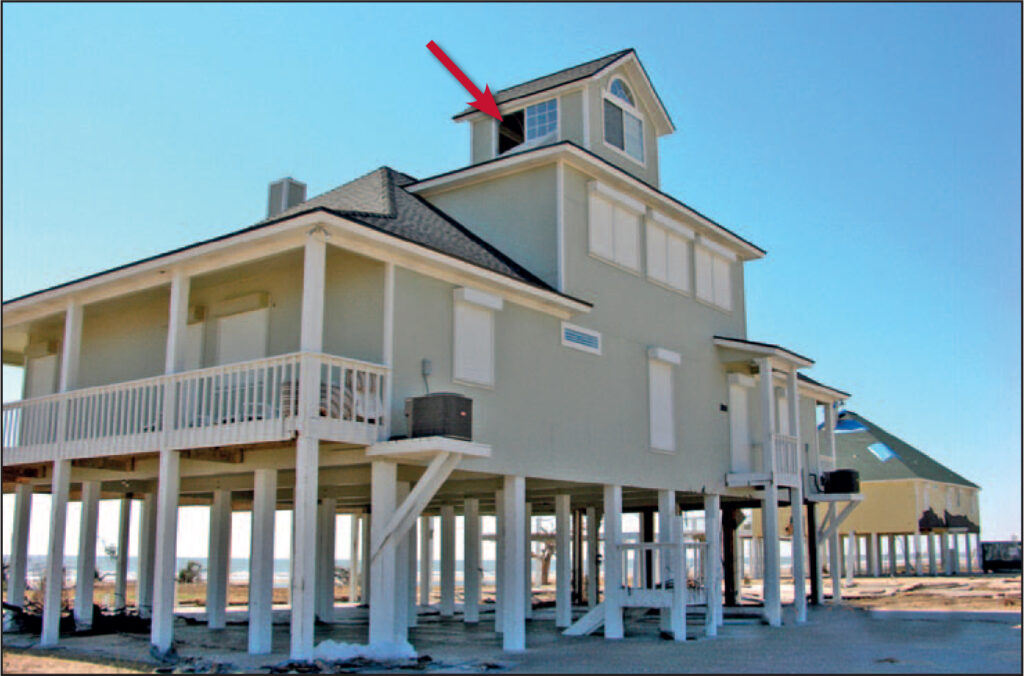
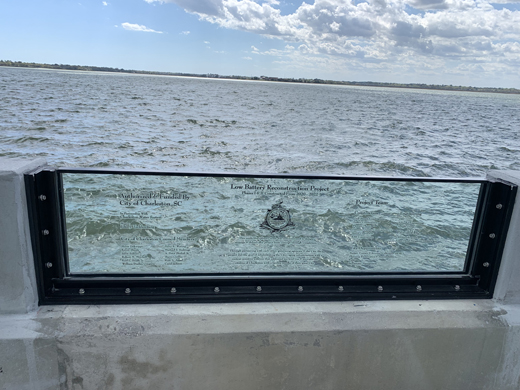
Certified window glazing is a type of reinforced glass material, such as laminated glass, polycarbonate, or translucent plastic panes, that can be used to protect against windborne debris and floodwater while still allowing natural light into a building. Traditional window glazing can fail during an intense storm or flood event when it is hit by debris and/or is under pressure from floodwater pressing on the outside of the window. Only flood-tested and certified glazing systems that are also impact-resistant should be installed. Flood-resistant glazing should be used in all windows, and doors containing glass throughout an at-risk building to create a system that works well with the building’s envelope (i.e., the foundation and exterior walls, windows, and doors). At-risk buildings are those which have been identified through FEMA floodplain mapping or engineering analyses to be at risk of flooding.

Polycarbonate glazing systems are typically high impact-resistant panes molded from plastic resins, whereas laminated glazing systems typically consist of a layer of plastic film bonded in between two panes of glass. These laminated panes are installed and sealed within the frame of each window, door, or skylight to make a water-resistant feature. During a storm, even if the glass panes break, the interlayer of plastic should remain intact, preventing water and wind from entering the building.
An annual inspection of the windows and frames is recommended to ensure that the product is intact, with no signs of cracking, condensation, nicks, or loss of sealing or connectivity to the building’s exterior walls. If installing flood-resistant glazing is not a practical option due to cost because of the size of the window(s) but flooding is a problem, consider using certified temporary flood barriers for shallow to moderate (less than 3 to 6 feet) flooding. Temporary flood barriers may be purchased in various sizes and put up surrounding the building. For moderate to deep flooding, consider relocating or elevating the building to prevent flood damage.
In conjunction with certified window glazing, aluminum shields and reinforced shutters are recommended for use in areas that are susceptible to wind-blown debris. They can offer additional protection against floating debris during a flood. All shields and shutters must be activated prior to a flood or high winds in order to work properly. Some shields, per manufacturer’s information, may minimize the amount of water entering a building. Shields and shutters will cover window openings and prevent light from entering.


Property Characteristics
Property Scale
Single Property
Real Estate Type
Single-family residence
Multi-family residence
Manufactured home
Business
Government building
Foundation Type
Slab-on-Grade
Property Location
Coastal
Past Flood Depth
Moderate
Shallow
Deep
Unsure
Debris Flow Potential
No
Unsure
Structure Condition
Fair-to-excellent condition
Implementation Factors
Annual Maintenance Required
Low
Action Required If Flood Is Imminent
No, Passive
Relative Cost
$$$
$$$$
Level of Effort
Professional
Next Steps
- Contact your local government to learn more about your property’s flood history and Base Flood Elevation, and to determine what federal, state and local permitting, code or ordinance requirements you will need to follow, before any work starts. If you are not sure who to talk to, check out our “who to contact” page.
- Visit your local building supply, home improvement, or other commercial store that sell windows to learn about and get cost estimates for certified flood-resistant window glazing systems and their installation. Check to make sure that the products have been tested and certified. Several window glazing systems have been certified for flood resistance. Check to see which products meet the ANSI 2510 standard.
- Choose a licensed professional contractor to install your windows. If you have not already, it is recommended that you have a structural engineer assess the integrity of exterior walls, doors, and windows as flood-resistant windows are only one component of a dry floodproofed building.
Special Considerations
- This mitigation option type is not recommended in areas with high velocity flooding, where water moves at more than 6 feet per second. If you do not know the projected flood velocity around your property, check with your local floodplain manager.
- If your building or structure is in less than fair condition, this mitigation option type is not recommended. The only mitigation option types recommended for structures in fair to poor condition are acquisition, demolition, and the purchase of flood insurance or business interruption insurance.
- Ensure compliance with all applicable National Flood Insurance Program requirements and local building codes. The NFIP sets minimum standards and allows individual communities to adopt their own additional or more stringent requirements via local floodplain management ordinances, regulations, and laws. If your building sustained substantial damage during a recent flood event, you may be required to bring it into compliance with NFIP and local floodplain management regulations.
- Be careful not to redirect water flow from your property onto another property. No adverse impact (NAI) floodplain management is an approach that ensures the action of any property owner, public or private, does not adversely impact the property and rights of others. NAI calls for any adverse impact caused by a project to be mitigated as part of the project. By following NAI principles, you can: prevent flooding from increasing or damaging others; see a reduction in flood losses over time; and avoid challenges and lawsuits over causing or aggravating a flood problem.
- Renters and those who own specific types of property may be limited in which mitigation options they can undertake or have different requirements to which they must adhere. If you are a renter or own any of the following listed property types, click through to learn more: Renter; Unit in a multifamily residence; Manufactured home; Farm/ranch; Historic property; New construction.
- Contact a local flood insurance representative to learn more and get a quote, if you do not already have flood insurance. (Most homeowner’s insurance policies do not cover flood damage.)
- Create a disaster plan. Be aware of all actions you will need to take once you receive warning of an oncoming flood event — and how much time each action will take to complete. Actions could include ensuring flood vents are clear, installing flood shields, or closing barrier gates. Annually, inspect all removable pieces to make sure they are in good condition — and you have all necessary parts. Make sure whoever is identified to complete each action in your disaster plan knows how to perform the action, is physically able, and will be onsite. Once everything is in place to protect your home, you should evacuate to higher ground.
Reduce Flood Risk
https://www.reducefloodrisk.org/mitigation/install-a-certified-flood-resistant-window-glazing-system/
Printed: 05/21/2026
 EN
EN  ES
ES