
Mitigation Strategy
Use conservation tillage practices
Overview
Tillage is a long-standing agricultural practice to control weeds and pests, and prepare soil for seeding. However, tilling can come with some unintended consequences for farmers, as well as their neighbors and the community. Some of the drawbacks of this practice are potential increases in soil erosion, nutrient runoff into nearby waterways, and flooding of surrounding areas.
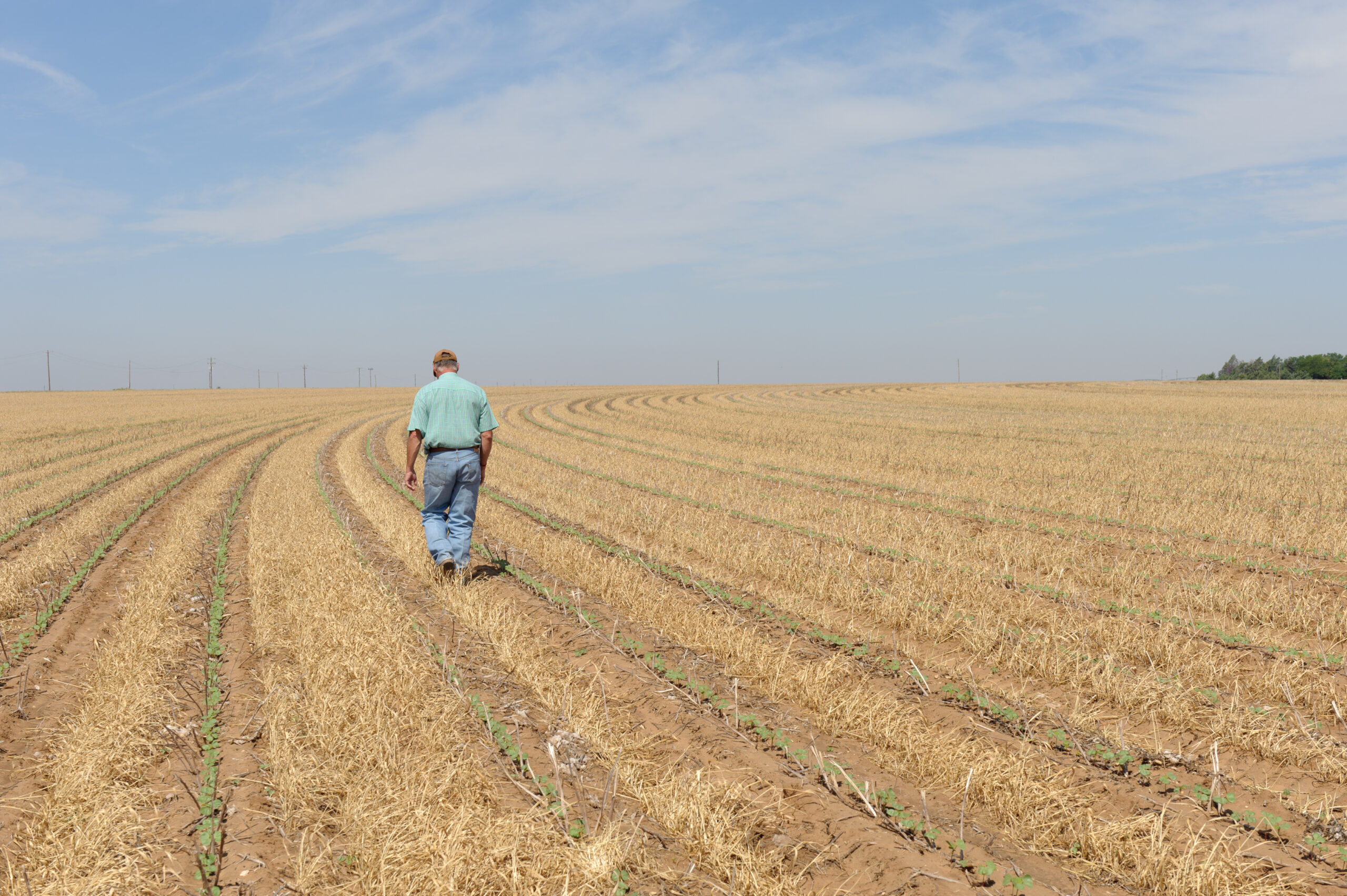
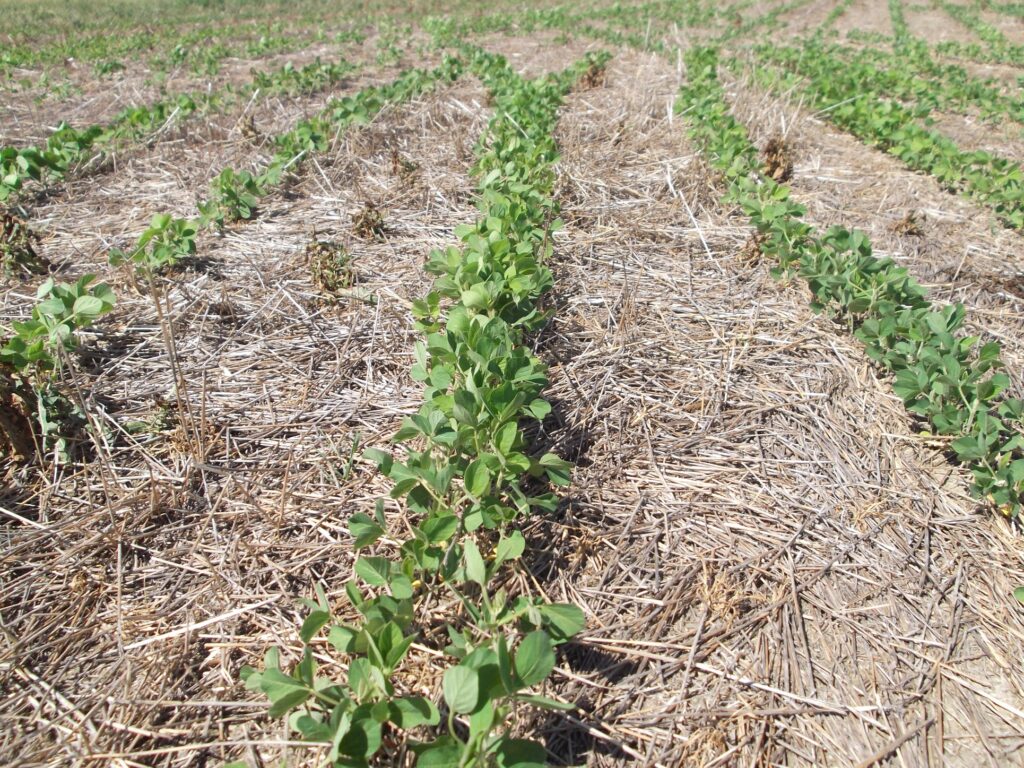
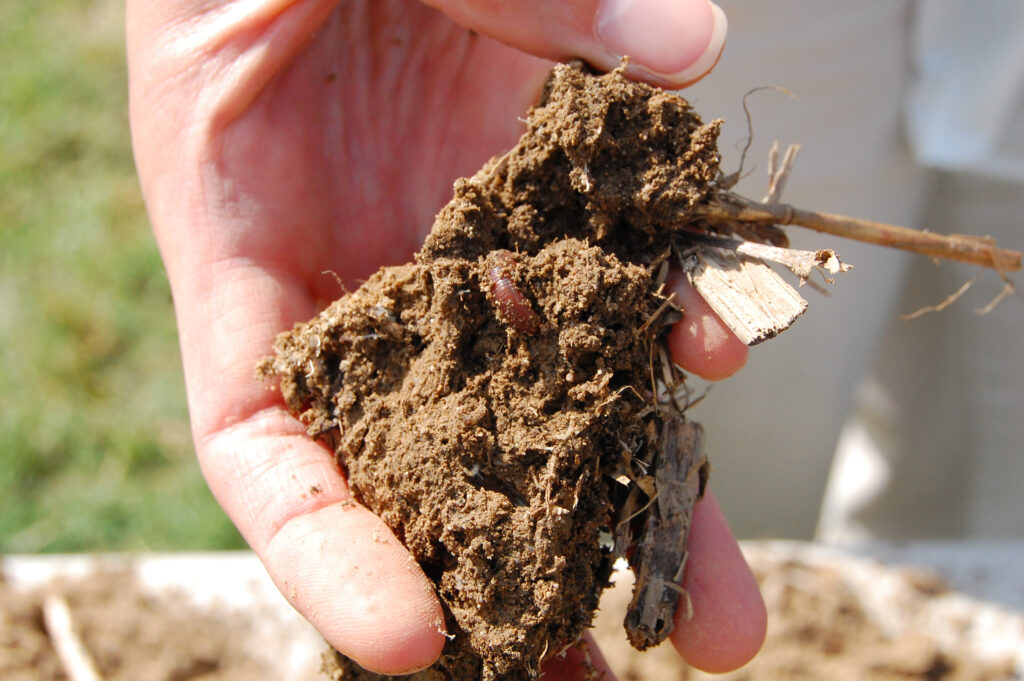
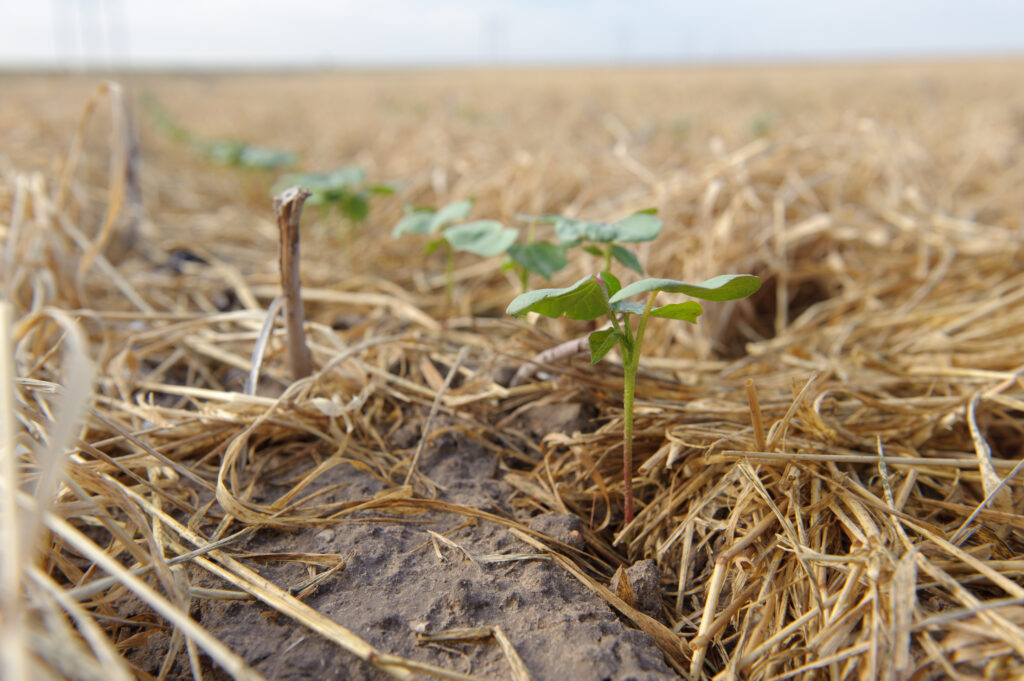
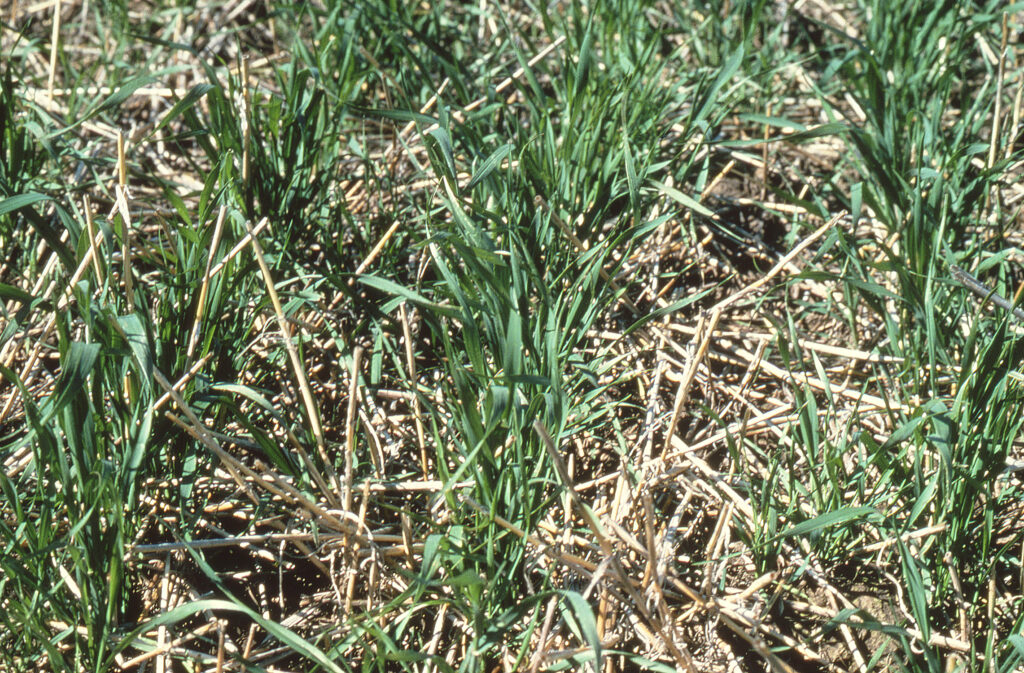
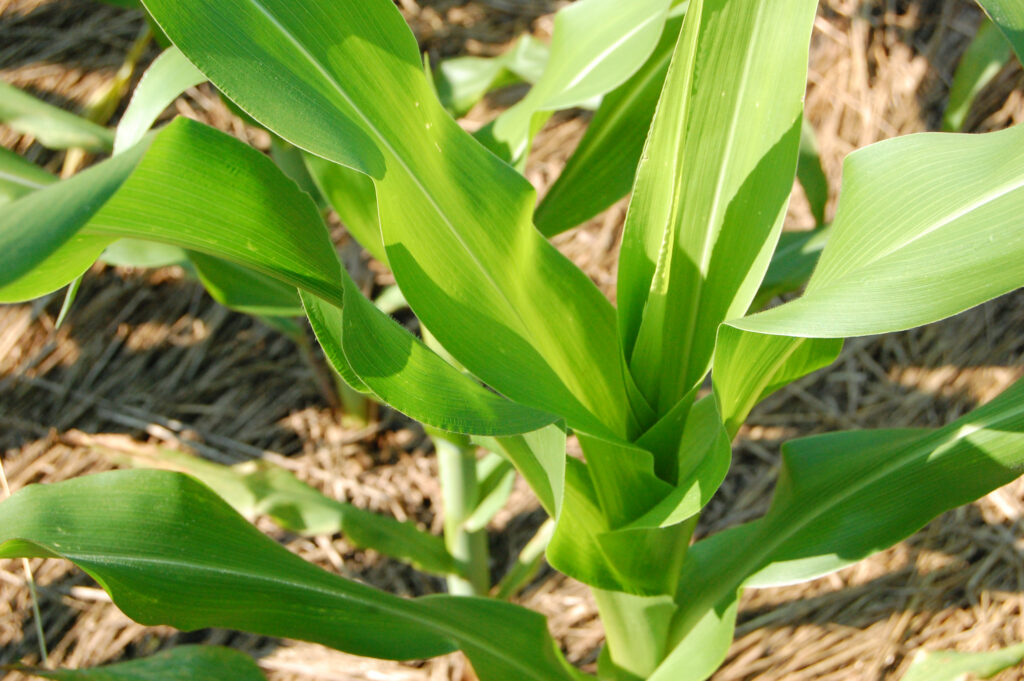
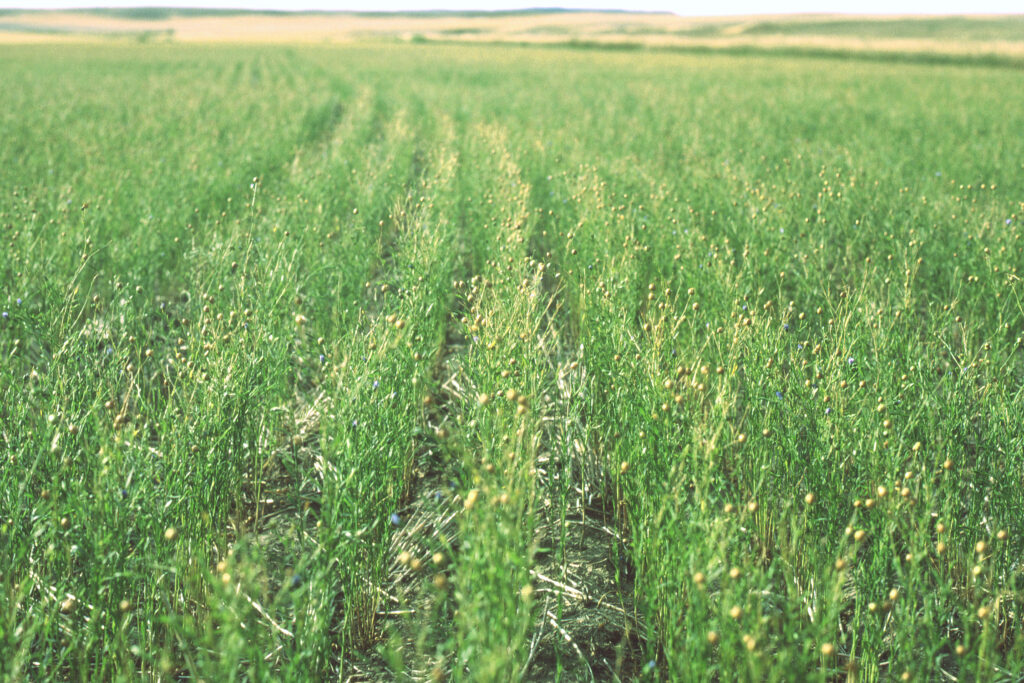
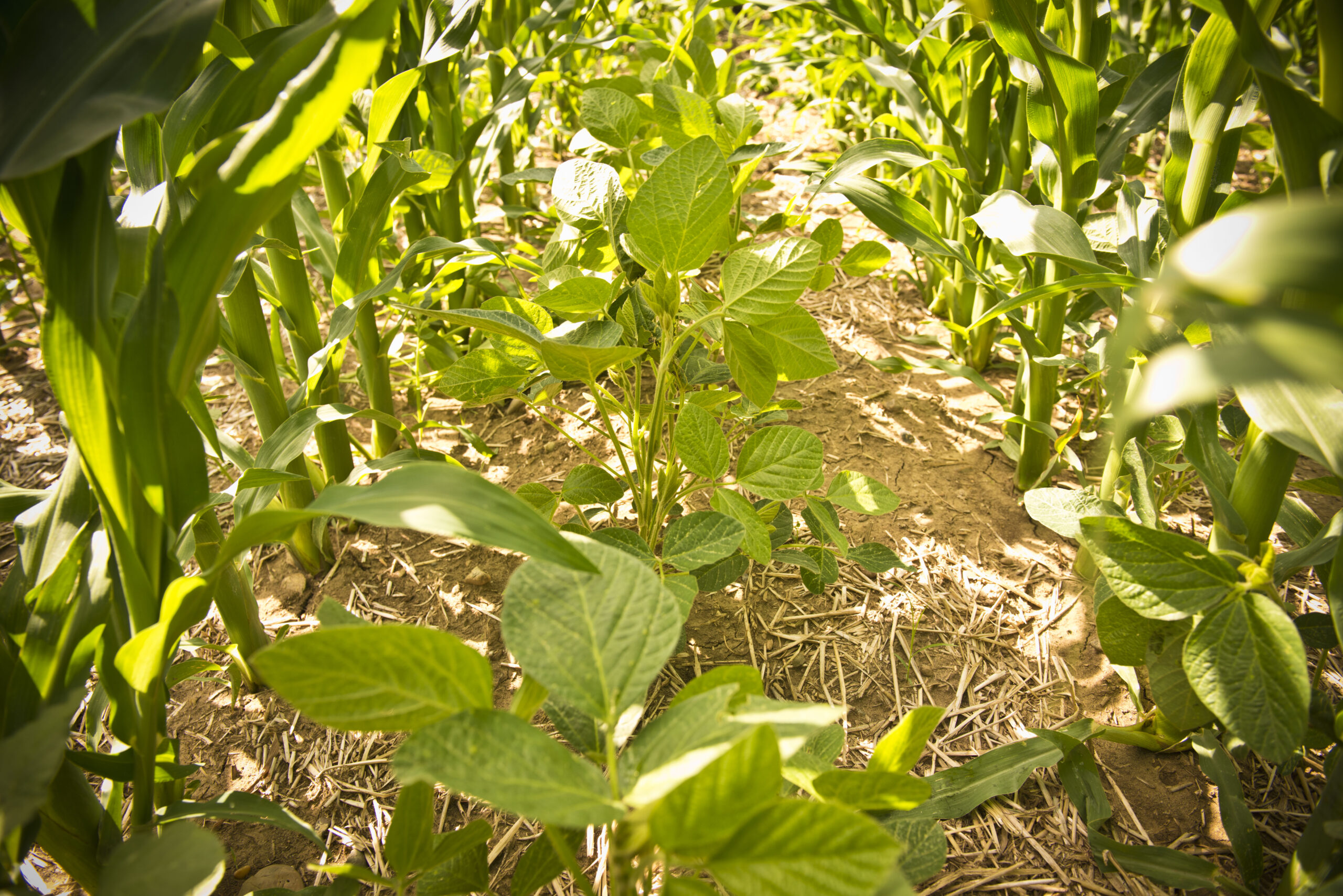
Conservation tillage aims to reduce these negative impacts, and conserve soil and water where they are needed – on cropland – by minimizing the frequency or intensity of tilling. Reducing tilling lets soil retain more organic matter, and reduces soil erosion, soil compaction, and runoff. By definition, at least 30 percent of plant residue remains on the field following harvest using conservation tillage.
There are three types of conservation tillage: no-till, ridge-till, and mulch-till. Choices for which method to use must be based upon the extent of erosion, soil type, crop rotation, climate, and farm equipment available.
- No-till: Also known as “no-tillage” or “direct seeding.” Under this system, the soil is left undisturbed from harvest to planting, and planting is done in a narrow seedbed, typically of six inches or less in width. Coulters, row cleaners, disk openers, in-row chisels, or roto-tillers are used to create the seedbed or slot for planting, and a press-wheel is used to improve contact between seeds and the soil. This method can be used in chemically killed sod or the previous year’s crop residue. One drawback of the no-till method is that it requires herbicides for weed control.
- Ridge till: Also known as “ridge tillage.” Under this system, the soil is left mostly undisturbed, except for during nutrient injection. Planting is done into seedbeds raised on ridges using sweeps, disk openers, coulters, or row cleaners; and ridges must be rebuilt during cultivation. This method is most suitable for nearly level, poorly drained soils since the ridges speed up drainage. Weeds are controlled through cultivation and using some herbicides.
- Mulch-till: Also known as “mulch tillage.” Under this form of tillage, the soil is not inverted; instead, it is left rough and cloddy. The tilling is done using chisel plows, field cultivators, disks, sweeps, or blades before planting. Weeds are controlled through cultivation and/or using herbicides.
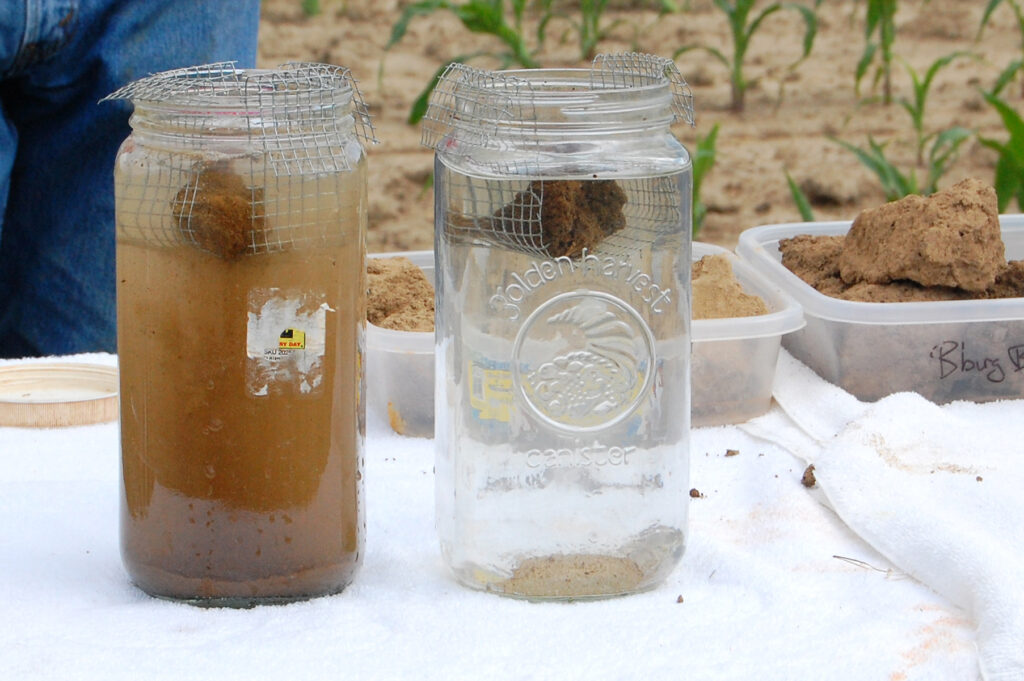
In addition to helping the soil better absorb floodwaters to reduce runoff, conservation tillage can help decrease greenhouse gas emissions, fuel and labor costs, and reliance on farm machinery and equipment.

Property Characteristics
Property Scale
Single Property
Real Estate Type
Agricultural building
Property Location
Coastal
Past Flood Depth
Shallow
Deep
Unsure
Moderate
Debris Flow Potential
Yes
Unsure
Implementation Factors
Annual Maintenance Required
Medium
Low
Action Required If Flood Is Imminent
Yes, Active
Relative Cost
$
$$
Level of Effort
DIY
Next Steps
- Check with representatives from your local Soil and Water Conservation District, USDA Natural Resources Conservation Service, or Cooperative Extension Service for help deciding which type of conservation tillage is right for your situation, and if they know of any farmers using it in the region with whom you might consult.
- Consult with other farmers in your area who are using the technique successfully for advice.
Special Considerations
- Be careful not to redirect water flow from your property onto another property. No adverse impact (NAI) floodplain management is an approach that ensures the action of any property owner, public or private, does not adversely impact the property and rights of others. NAI calls for any adverse impact caused by a project to be mitigated as part of the project. By following NAI principles, you can: prevent flooding from increasing or damaging others; see a reduction in flood losses over time; and avoid challenges and lawsuits over causing or aggravating a flood problem.
- Create a disaster plan. Be aware of all actions you will need to take once you receive warning of an oncoming flood event — and how much time each action will take to complete. Actions could include installing flood shields, closing barrier gates, or lowering storm shutters. Annually, inspect all removable pieces to make sure they are in good condition — and you have all necessary parts. Make sure whoever is identified to complete each action in your disaster plan knows how to perform the action, is physically able, and will be onsite. Once everything is in place to protect your home, you should evacuate to higher ground.
Reduce Flood Risk
https://www.reducefloodrisk.org/mitigation/use-conservation-tillage-practices/
Printed: 04/29/2026
 EN
EN  ES
ES