
Mitigation Strategy
Relocate the building outside of the 500-Year floodplain
Overview
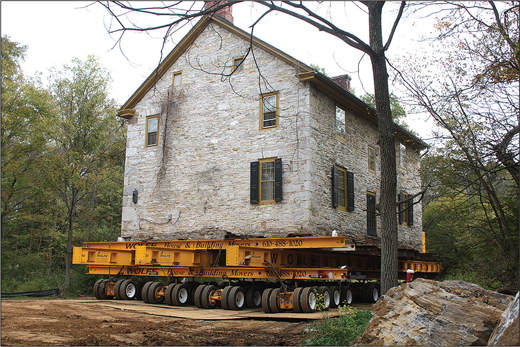
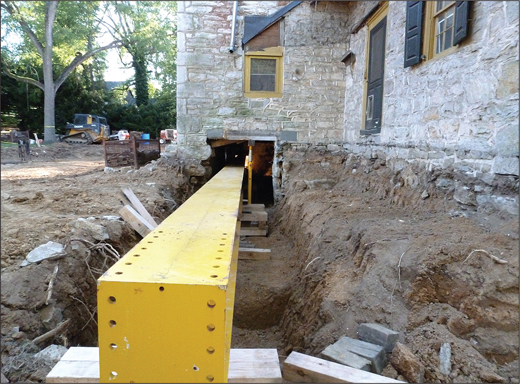
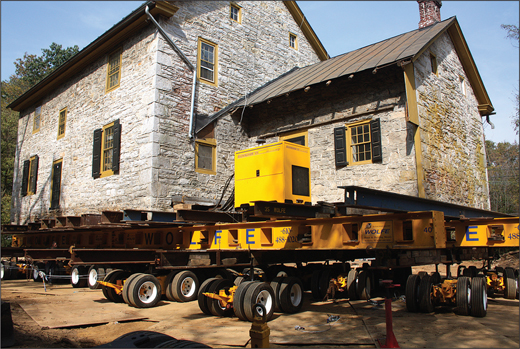
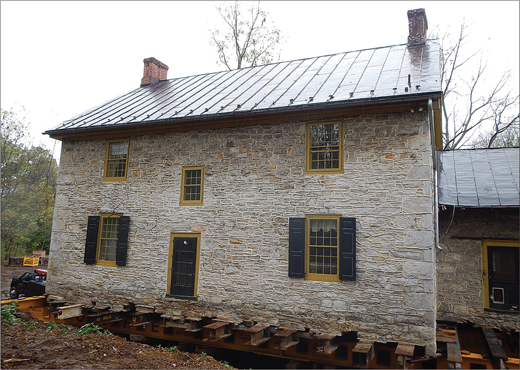
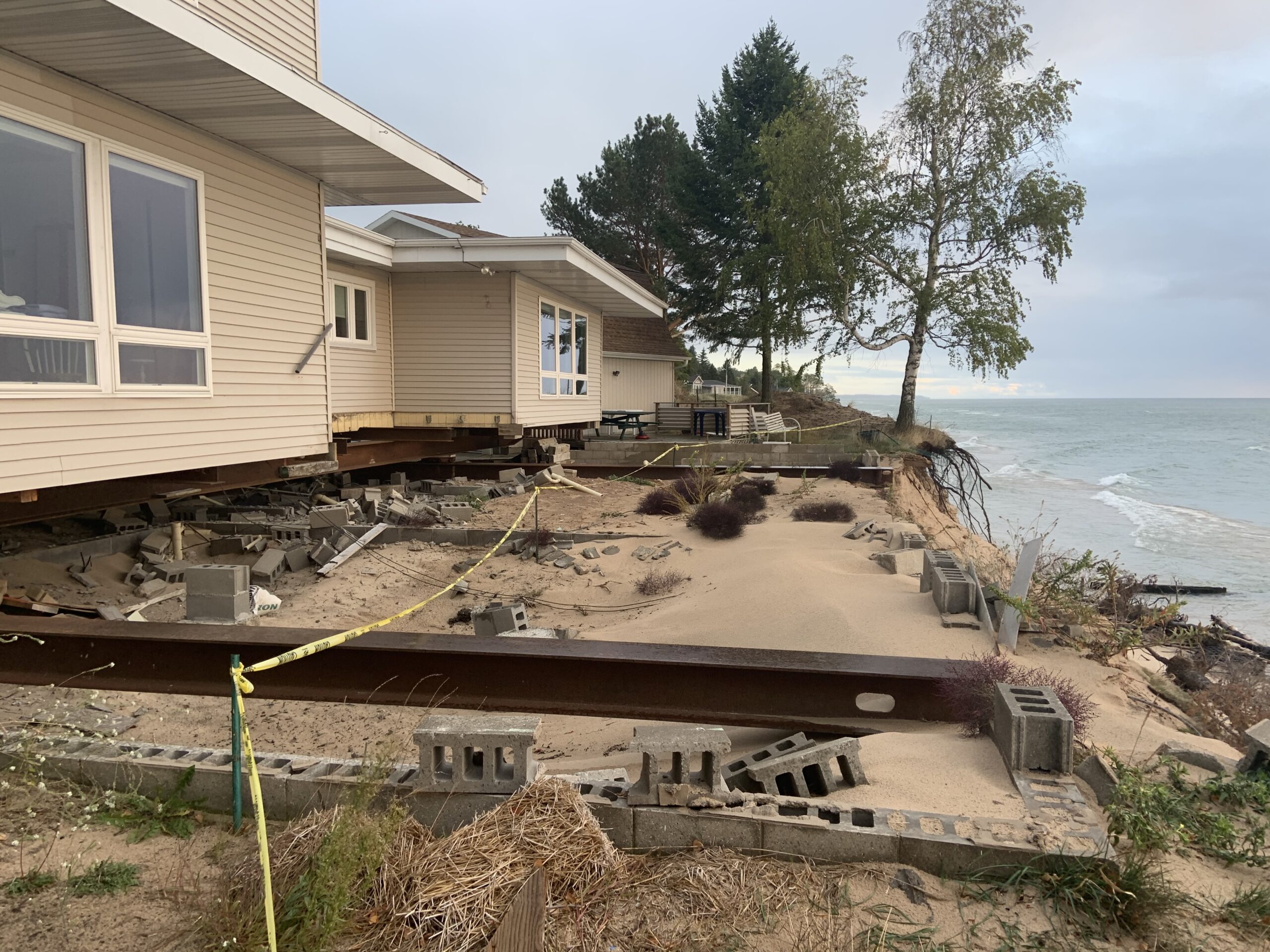
An owner of a building that has flooded multiple times (i.e., possibly a Repetitive Loss property) might consider relocating the structure rather than demolishing or elevating it if they have enough funds to do so. Residential and non-residential buildings can be relocated as long as their condition is good enough to survive the transfer. Relocation requires physically moving a building to a location outside of the 100-year (1% annual chance) floodplain – and preferably outside of the 500-year (0.2% annual chance) floodplain. Relocation can be onsite, within the same parcel of property if such a location exists, or offsite, and should follow flood-free site selection principles. If relocating offsite, the parcel should also have room to accommodate any accompanying outbuildings from the original property.

Similar to elevating a structure, the first step of relocating a structure is to have the structure and the future land on which it will sit evaluated by a registered design professional. Key questions to consider to figure out whether a project is feasible are: Would the structure survive the lifting and relocation process? Is there enough space for the necessary equipment? Is it worth the expense of lifting? If the project moves forward, once necessary permits are acquired and a new foundation is ready, the structure is lifted off of its existing foundation, carefully transported by a flatbed construction truck to its new location, and lowered onto and anchored to the new foundation.
If considering the use of a FEMA mitigation program, it is notable that FEMA does not relocate buildings directly for property owners. Relocation projects, which are funded 75 percent by FEMA, are administered by the state and local communities. The state and local communities work together to identify areas where relocations make the most sense. Individuals may not apply directly to the state for consideration, but the community may sponsor an application on the owner’s behalf. If federal funds are used to fund the relocation, the property owner may use the funds to relocate the building or to purchase land if relocation offsite is required. Twenty-five percent of the costs must be covered by the building owner or non-federal project sponsor.
If relocation to an area outside of the floodplain is not practical, relocation combined with elevation of the building – preferably to above the 500-year flood elevation – is recommended to further reduce future flood risk. The community’s floodplain management ordinance and local zoning codes should be consulted when deciding to what height to raise the structure, as additional elevation above the Base Flood Elevation may be required by local regulations. See specific elevation pages for further information on elevating structures.


Property Characteristics
Property Scale
Single Property
Real Estate Type
Single-family residence
Manufactured home
Business
Agricultural building
Foundation Type
Slab-on-Grade
Crawlspace
Basement
Open Foundation
Property Location
Coastal
Past Flood Depth
Unsure
Moderate
Shallow
Deep
Debris Flow Potential
Yes
Unsure
Structure Condition
Fair-to-excellent condition
Implementation Factors
Annual Maintenance Required
Low
Action Required If Flood Is Imminent
No, Passive
Relative Cost
$$$$
$$$$$
Level of Effort
Professional
Next Steps
- Contact your local government to learn more about your property’s to see if your home is eligible for financial support for relocation, and to determine what federal, state and local permitting, code or ordinance requirements you will need to follow, before any work starts. If you are not sure who to talk to, check out our “who to contact” page.
- Consult with a licensed professional contractor to assess the condition of the building(s) you wish to relocate, the proposed site location, and remediation of any toxic and hazardous materials.
- Hire a professional building moving company to move your structure.
Special Considerations
- If your building or structure is in less than fair condition, this mitigation option type is not recommended. The only mitigation option types recommended for structures in fair to poor condition are acquisition, demolition, and the purchase of flood insurance or business interruption insurance.
- Ensure compliance with all applicable National Flood Insurance Program requirements and local building codes. The NFIP sets minimum standards and allows individual communities to adopt their own additional or more stringent requirements via local floodplain management ordinances, regulations, and laws.
- Be careful not to redirect water flow from your property onto another property. No adverse impact (NAI) floodplain management is an approach that ensures the action of any property owner, public or private, does not adversely impact the property and rights of others. NAI calls for any adverse impact caused by a project to be mitigated as part of the project. By following NAI principles, you can: prevent flooding from increasing or damaging others; see a reduction in flood losses over time; and avoid challenges and lawsuits over causing or aggravating a flood problem.
- Relocation projects, which can be funded 75 percent by FEMA, are administered by the state and local communities; FEMA does not relocate buildings directly for property owners. The state and local communities work together to identify areas where relocations make the most sense. Individuals may not apply directly to the state for consideration, but the community may sponsor an application on the owner’s behalf. Twenty-five percent of the costs must be covered by the building owner or non-federal project sponsor.
Reduce Flood Risk
https://www.reducefloodrisk.org/mitigation/relocate-the-building-outside-of-the-500-year-floodplain/
Printed: 04/15/2026
 EN
EN  ES
ES